
Domain, Hosting, and Source Code: What Every Business Owner Must Own
Understand the technical assets of your website, why domain and accounts must be in your company's name, and essential questions to ask your agency.
Web DevelopmentPixel Factory Team6 min read
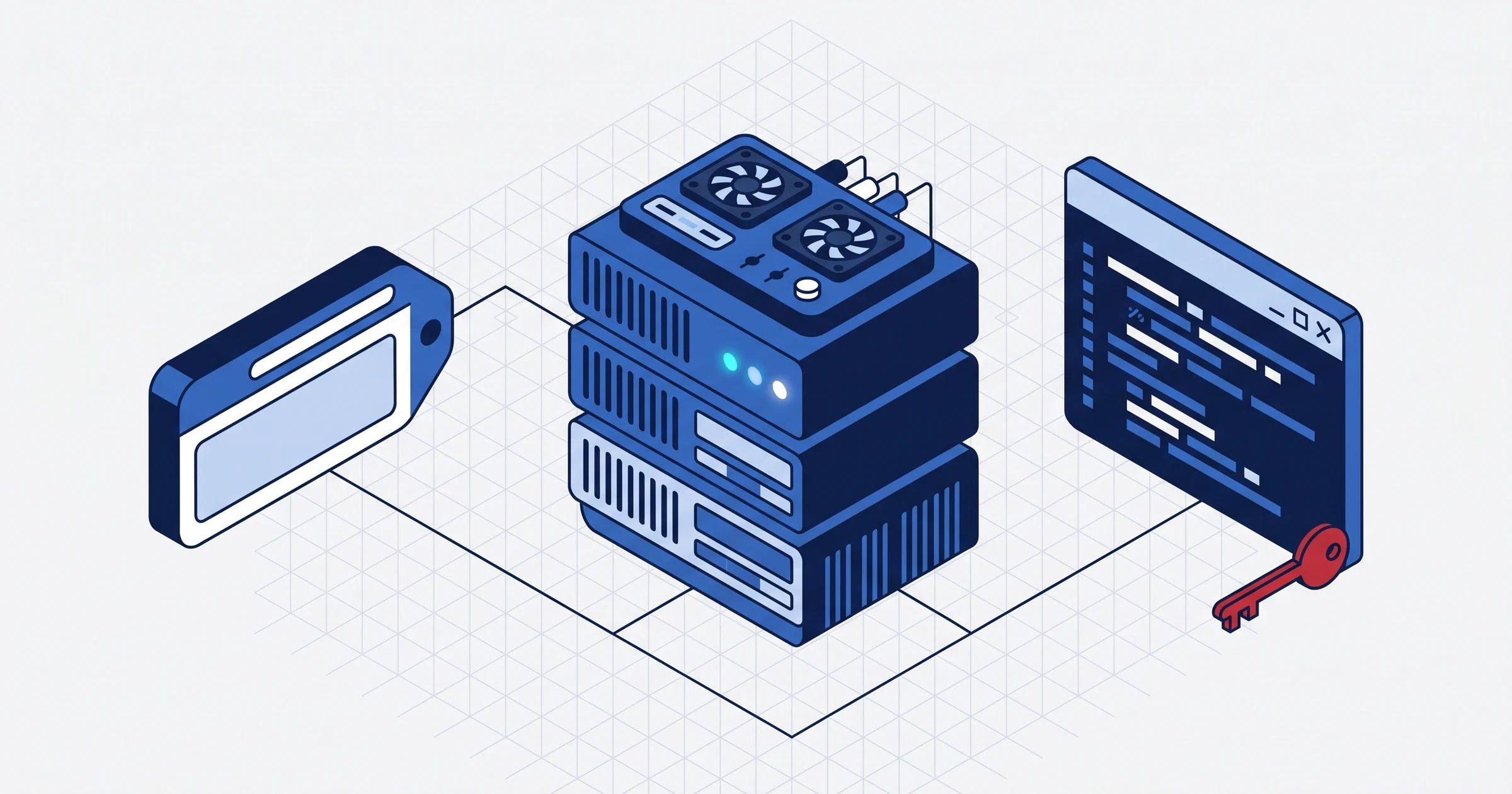
A website appears to the end user as a single, cohesive product. Under the hood, however, it is assembled from distinct infrastructure layers—each billed, licensed, and registered through separate entities. If your relationship with an agency ends or your technical provider becomes unresponsive, your business continuity depends entirely on who legally owns these assets and who controls root administrative access.
Before signing a development agreement or paying your initial deposit, verify who holds the keys to each layer.
The Technical Asset Ownership Matrix
| Asset Layer | Primary Function | Mandatory Legal Owner | Business Risk if Locked or Lost |
|---|---|---|---|
| Domain Name | Your brand address (e.g., yourbusiness.com) and DNS routing |
Your legal company entity | Complete loss of brand web presence and corporate email failure |
| DNS & Nameservers | Directs web traffic and routes corporate mail (MX, SPF, DKIM) | Corporate DNS / Registrar account | Inability to point domains to new servers or authenticate outgoing email |
| Web Hosting & Cloud | Servers hosting files, media, and transactional databases | Client or agency with clear SLA | Immediate site downtime; potential loss of proprietary customer data |
| Proprietary Source Code | Custom design, page templates, component logic, and styles | Client (Work-for-Hire copyright assignment) | Inability to update, migrate, or hire a new engineering partner |
| Core Frameworks / Base Code | Reusable libraries and foundation starter code | Agency or Open Source (perpetual client license) | Legal disputes or recurring royalty claims if licensing terms are ambiguous |
1. The Domain Name Must Be Registered Under Your Company
A domain name is your most irreplaceable digital asset, because customers recognize it, marketing collateral displays it, and corporate communications depend on it. When auditing domain governance, verify three critical factors:
- Registrant Ownership in WHOIS Records: The legal registrant must explicitly be your company or an officer of the firm—never the individual developer, project manager, or agency. If an external entity registers your domain under their account, recovering ownership requires complex dispute resolution or litigation.
- Primary Administrative Email: Expiration warnings, transfer authorization (EPP/Auth) codes, and two-factor authentication (2FA) prompts route to this inbox. It must be an internal corporate email address under permanent organizational custody.
- DNS and Mail Routing Records: Your domain manages DNS records (A, CNAME, MX, TXT). If a third party holds your DNS access hostage, they control not only where your website points, but also your corporate Google Workspace or Microsoft 365 email delivery.
2. Web Hosting: Ensure Portable Infrastructure and Defined Exit Runways
Your business does not necessarily need to manage bare-metal cloud servers if hosting is bundled into an agency’s managed maintenance agreement. In fact, managed hosting often relieves non-technical businesses of operating system patches, edge caching, and server security monitoring.
However, you must always have an unambiguous exit strategy documented in writing:
- Full Database & Asset Backups: Clear terms specifying how database dumps, static assets, and media files are provided upon contract termination.
- Environment Configuration: A documented list of environment variables, API endpoints, and third-party webhooks required to restore service.
- Migration Runway (Grace Period): A contractual guarantee that hosting will remain active for at least 15 to 30 days following written notice of termination, allowing your incoming engineering team sufficient time to migrate traffic seamlessly.
3. Code and Intellectual Property: Ownership Rights vs. Perpetual Licenses
Holding a ZIP file of your website’s code does not automatically grant the legal right to deploy or modify it—that is governed by your contract’s intellectual property clauses. Ensure your agreement distinguishes between two distinct categories of code:
- Bespoke Code & Custom Design: The proprietary visual identity, customized layouts, unique business logic, and custom-built components created specifically for your project. Upon full payment of agreed fees, intellectual property rights and full copyright must transfer unconditionally to your company.
- Foundational Starter Kits & Libraries: Experienced software agencies standardly leverage battle-tested internal component libraries across projects to accelerate development. What matters is that your contract explicitly grants your company a perpetual, irrevocable, royalty-free, worldwide license to use, modify, and host that code without ongoing licensing fees.
4. Ancillary Accounts Connected to Your Digital Footprint
A corporate website functions within a broader ecosystem of business utilities. Never permit third-party vendors to create these platforms under their personal Gmail or agency accounts:
- Webmaster & Analytics Tools: Google Analytics 4 (GA4) and Google Search Console.
- Search & Map Presence: Google Business Profile (formerly Google My Business).
- Payment Gateways & Merchant Accounts: Stripe, PayPal, or regional processors.
- Transactional Messaging: SendGrid, Postmark, or SMS gateways for contact forms.
The Golden Rule: Always create these accounts under your primary corporate administrative address, then invite agency personnel as delegated administrators or contributors. You retain the ability to revoke access instantly without losing your historical performance data.
Due Diligence Checklist Before Signing an Agency Agreement
Copy and paste these direct questions into your communications with prospective development partners:
- Is the domain registered in our legal company name, and which corporate email is designated as the primary administrative contact?
- Do we possess direct login credentials to the domain registrar and DNS management console?
- If we choose to terminate our service agreement, how are code repositories, database dumps, and assets delivered, and what is the transition timeline?
- Does the contract stipulate that copyright for bespoke code and custom design transfers to our company upon final payment?
- Are foundational libraries covered by a perpetual, royalty-free license that permits future modifications by independent developers?
- Are Google Analytics, Search Console, and payment processing accounts configured with our company as the primary owner?
The Pixel Factory Standard
At Pixel Factory, we believe transparent client ownership is fundamental to professional ethics:
- Website Monthly Plans: If you cancel a monthly website plan, we immediately transfer full administrative control of your domain—pre-paid through its renewal date—along with all DNS configuration. Your hosting remains active until between the 15th and 20th of the following month, giving your new team ample runway for a smooth, zero-downtime migration.
- Projects We Develop for You: We deliver complete Git repositories, database schema definitions, and cloud configuration credentials upon delivery. When final invoices are settled, full intellectual property rights for your custom code and bespoke UI design transfer to your company, accompanied by a perpetual license for our foundational component architecture. Review our full terms in our Development Services Agreement.